
Judge strikes down part of DeSantis-backed book ban law in Florida
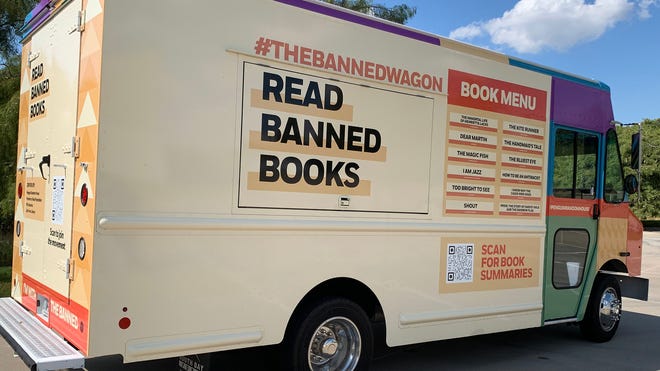
Image Source: Tallahassee Democrat
⚖️ What Happened?
In a landmark decision on August 13, 2025, U.S. District Judge Carlos Mendoza ruled that a key provision of Florida’s HB 1069—used to remove thousands of books from school libraries—was unconstitutionally vague. The law prohibited books that “describe sexual conduct,” but failed to define what that meant, leading to widespread censorship of both classic and contemporary literature.
Books like The Handmaid’s Tale, Looking for Alaska, Native Son, and Slaughterhouse-Five were among those pulled from shelves. The ruling came after a lawsuit filed by Penguin Random House, the Authors Guild, and several prominent authors including Jodi Picoult and John Green.
📚 Why This Ruling Matters
✅ 1. Restores First Amendment Protections
The court reaffirmed that students, educators, and authors are protected under the First Amendment. Blanket bans based on vague criteria were deemed unconstitutional, ensuring that books can only be removed if they lack serious literary, artistic, political, or scientific value.
✅ 2. Empowers Librarians and Educators
The ruling shifts decision-making back to professional librarians and educators, rather than political mandates. It reinforces the importance of individualized curation over sweeping censorship.
✅ 3. Protects Diverse Voices
Many of the banned books featured LGBTQ+ themes, racial justice narratives, and coming-of-age stories. This decision helps safeguard access to diverse perspectives that reflect the real experiences of American youth.
🗽 A Win for Readers Nationwide
Though the ruling applies to Florida, its impact resonates across the country. It sets a precedent that vague censorship laws won’t stand in federal court. For readers, this means:
- Greater access to literature that challenges, inspires, and educates.
- Protection against political interference in public education.
- A reaffirmation of intellectual freedom in school libraries.
🔍 Final Thoughts
This ruling is more than a legal technicality—it’s a cultural moment. In an era where book bans have surged, this decision reminds us that freedom to read is fundamental. Whether you’re a student discovering The Bluest Eye for the first time or a teacher recommending The Kite Runner, this victory ensures those stories remain within reach.
For more on the ruling, check out USA Today’s coverage or ABC News’ report.
Federal judge finds Florida school book ban unconstitutional – Key Biscayne Independent
